

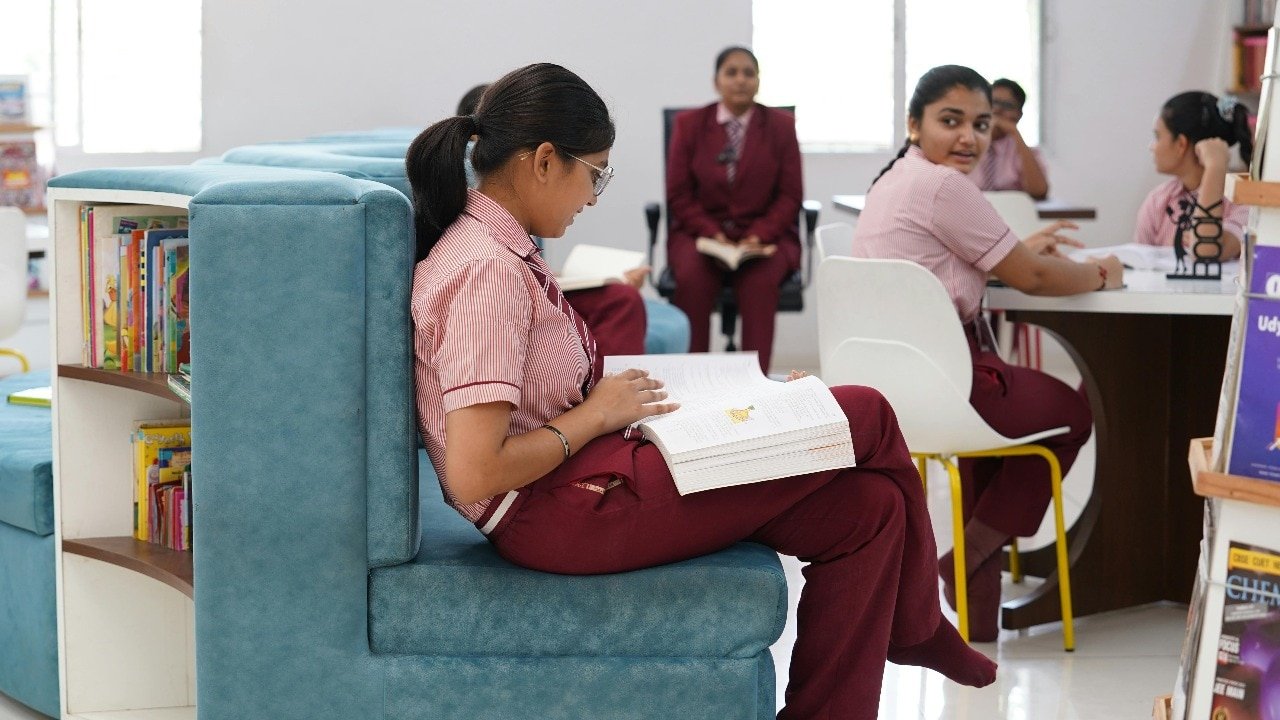
Introduction: The Global Education Challenge in India
In a nation with educational aspirations soaring high, the presence of just 250 International Baccalaureate (IB) schools amidst a staggering 1.47 million educational institutions highlights a significant gap in global education offerings in India. As parents increasingly seek comprehensive global education for their children, this disparity raises important questions about accessibility and quality.
Understanding the IB System
The International Baccalaureate is a globally recognized program that aims to provide students with a rigorous and holistic education. The IB framework is designed to promote critical thinking and encourage students to develop a global perspective—qualities highly valued in today’s interconnected world.
Despite its strengths, the limited number of IB schools in India translates to a mere 0.017% of the total school population. This begs the question: why isn’t the IB program more widespread in a country with a burgeoning middle class and a growing emphasis on international education?
Challenges Facing IB Schools
Several factors contribute to the limited growth of IB schools in India. First and foremost is the cost associated with establishing and maintaining IB programs. IB schools often require significant investments in teacher training, infrastructure, and curriculum development. This can pose substantial financial challenges for many educational institutions.
Another obstacle is the perception of international education. While affluent families may prioritize global curricula, many parents still view traditional Indian education as a more stable and preferable option. This cultural mindset can deter schools from adopting IB programs, stifling their growth.
The Demand for Global Education
Despite these challenges, the demand for IB education continues to rise in urban centers. Parents are more informed about international standards and are eager for their children to engage in environments that foster global competencies.
As Indian students increasingly compete on international platforms, the need for education that encompasses critical thinking, creativity, and a global outlook becomes more pressing. The IB program caters to this demand, preparing students not just for local challenges but for a global future.
The Impact of Limited IB Availability
The scarcity of IB schools has led to an unequal distribution of educational opportunities. While some students thrive in IB environments, others remain in schools that may not offer the same level of academic rigor or global exposure.
This disparity can have long-term implications for social mobility and career opportunities, further entrenching existing inequalities in the Indian education system.
Potential Solutions for Expanding IB Reach
To bridge the gap in global education, several initiatives can be implemented. First, the government can consider offering incentives for schools to adopt the IB curriculum, such as grants or tax benefits. This could alleviate some financial burdens and encourage more institutions to take the leap.
Collaboration between existing IB schools and traditional institutions can also foster knowledge sharing and growth. By mentoring and training teachers, IB schools can help raise the overall quality of education across the board.
Conclusion: A Call to Action
As the world becomes increasingly interconnected, the need for global education, represented by only 250 IB schools in India, cannot be overlooked. Ensuring equitable access to high-quality international curricula is essential for preparing future generations to thrive in a global society.
Stakeholders—governments, educators, and parents—must unite to advocate for a broader reach of IB education. By addressing the challenges head-on and seeking innovative solutions, India can create a more inclusive educational landscape that empowers all its students to succeed on the world stage.









Leave a Reply