

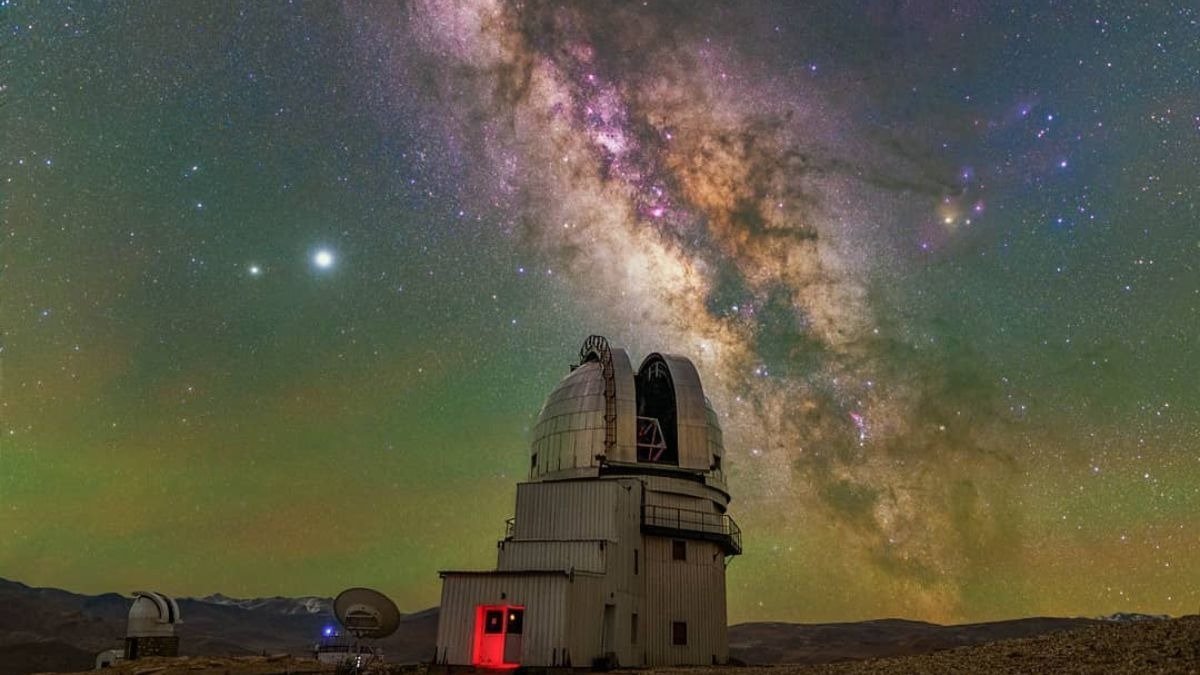
The Changing Night Sky in India
India’s night sky is undergoing a significant transformation that poses a notable threat to our celestial view. From urbanization to light pollution, various factors are contributing to the gradual disappearance of stars. This phenomenon has implications that go beyond aesthetics, affecting cultural practices, environmental awareness, and scientific research.
Urbanization and Light Pollution
The rapid urbanization across Indian cities has led to an increase in artificial lighting, which severely impacts our ability to observe celestial bodies. Major cities like Delhi, Mumbai, and Bengaluru experience overwhelming brightness at night, making it nearly impossible for residents to view stars and constellations. Local policies inadvertently encourage this trend as cities expand.
Cultural Impact of Fading Stars
For centuries, the stars have been an integral part of Indian culture and mythology. Festivals, folklore, and traditional practices are often intertwined with celestial events. With light pollution obscuring the night sky, younger generations are losing touch with these vital aspects of cultural heritage. The disappearance of stars could lead to a loss of identity as communities move further away from the traditional narratives that have been passed down through generations.
The Scientific Consequences
Beyond cultural implications, the reduction in visibility of celestial bodies affects astronomical research as well. Astrophysicists rely on dark skies for observing phenomena that are crucial to understanding the universe. The increasing brightness in Indian cities not only diminishes observation opportunities but also limits potential discoveries in the field of astronomy.
Efforts to Combat Light Pollution
In response to the deteriorating night skies, various organizations and local governments are starting initiatives aimed at reducing light pollution. Creating awareness campaigns and encouraging the use of sustainable lighting options are among the steps being taken. Educational efforts are essential to alert both city planners and citizens about the importance of preserving our night sky.
What Can Be Done?
As citizens, there are several ways we can contribute to preserving the night sky. Simple measures, such as reducing outdoor lighting and opting for dimmer, warmer lights, can make a significant difference. Community efforts to promote stargazing events can also help rekindle interest in astronomy and encourage a collective action towards a darker sky.
Conclusion: A Call to Preserve Our Night Sky
The fading stars of India symbolize more than just a loss of natural beauty; they reflect a shift in cultural and scientific landscapes. While urbanization and light pollution pose significant challenges, proactive measures can be taken to reverse this trend. Engaging our communities in conservation efforts, promoting awareness about the scientific importance of a dark sky, and encouraging sustainable practices will help ensure that future generations can experience the wonder of a star-filled night.







Leave a Reply