

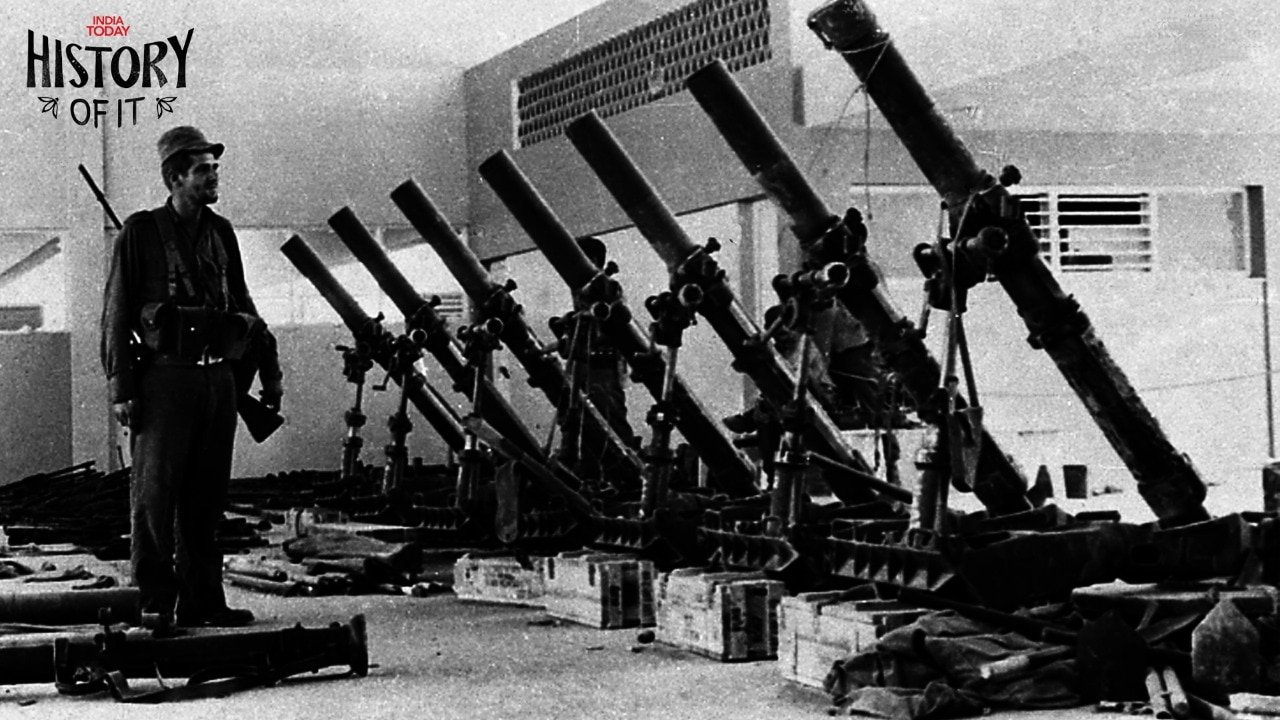
Introduction to the Grenada Invasion
In 1983, the United States launched a military invasion of Grenada, a small island nation in the Caribbean. This operation, dubbed Operation Urgent Fury, was marked by fierce controversies and has become a significant chapter in U.S. foreign military interventions. What started as a response to perceived threats on American citizens quickly escalated into a complex and consequential military endeavor.
Background: Why Grenada?
The U.S. invasion of Grenada stemmed from a fear of communist influence in the Caribbean region. The rise of a Marxist government led by Maurice Bishop had alarmed U.S. officials, who viewed it as a potential foothold for Soviet power just miles from American shores. Additionally, escalating tensions and reports of violence against American citizens prompted Washington to take drastic measures.
The Invasion Begins
On October 25, 1983, the United States initiated Operation Urgent Fury, deploying approximately 7,000 troops. The operation aimed to overthrow Bishop’s government and restore order to the island. The U.S. forces faced the Grenadian army, supported by Cuban military personnel, leading to a rapid confrontation. Despite being outnumbered, American troops were able to secure key objectives quickly.
Military Challenges and Complications
While the operation’s initial phases saw quick victories, it soon became apparent that military calculation underestimated the ramifications of the invasion. The terrain of Grenada, combined with an unfamiliarity with local conditions, posed significant challenges to U.S. forces. The ensuing conflict raised questions about military readiness and intelligence accuracy.
Casualties and International Backlash
The human cost of Operation Urgent Fury was considerable. U.S. officials reported that 19 American soldiers were killed, and over 100 were wounded during the conflict. Collateral damage to civilian life and infrastructure also drew international criticism. Many countries condemned the invasion, arguing it was a blatant act of aggression, which further strained U.S. relations with several nations.
Aftermath and Political Consequences
The invasion of Grenada had lasting consequences in U.S. foreign policy. Although the immediate outcome was the overthrow of Bishop’s administration and the establishment of a pro-American government, the invasion highlighted significant flaws in U.S. military and political strategies. Critics argued that the operation displayed a lack of clear objectives and questioned its justification in the context of international law.
Legacy of the Grenada Invasion
The legacy of the Grenada invasion remains a topic of debate among historians and political analysts. On one hand, it showcased American military strength and resolve; on the other hand, it exposed the complexities and challenges of military interventions in foreign nations. The event still serves as a cautionary tale regarding the limitations of military power and the importance of diplomatic solutions in international relations.
Conclusion
The U.S. invasion of Grenada in 1983 provides an insightful case study into the complexities of military intervention. Through this episode, it is evident that while military might can achieve certain objectives, the broader implications of such actions require careful consideration. Understanding these lessons is crucial as the U.S. navigates its role on the global stage today.












Leave a Reply