

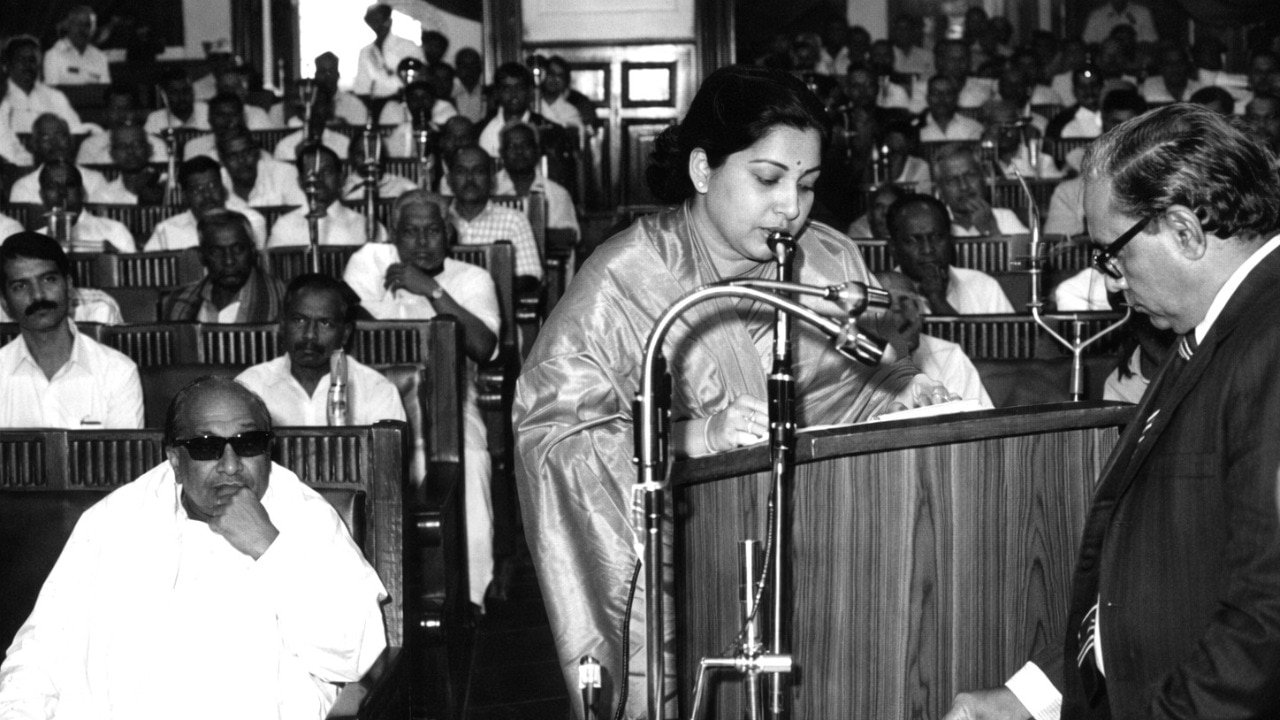
Exploring Tamil Nadu’s Political Landscape
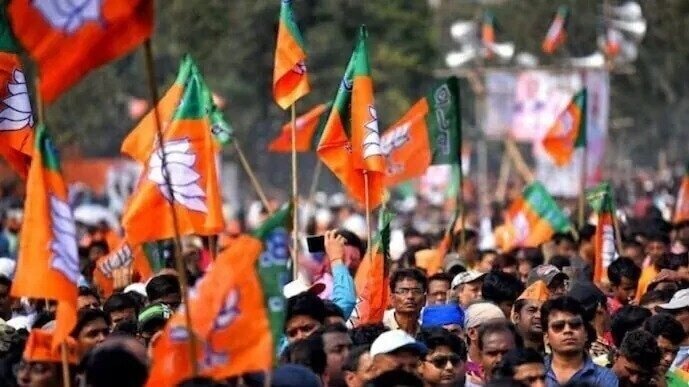
Tamil Nadu stands as a compelling example of regionalism in India’s political theater. By the late 1960s, it had already seen the burial of the Congress party at its zenith. Fast forward to 2023, and the Bharatiya Janata Party (BJP)—once seen as a rising force—has struggled to make a significant impact in the state since the dawn of the Modi era in 2014, facing defeats in multiple elections.
The ongoing struggle of national parties to gain foothold in Tamil Nadu raises several questions. Why does the state retain such a robust regional identity, rejecting the ethos of national parties? Tamil Nadu exhibits pride in its cultural heritage distinct from its neighboring southern states, indicating a complex relationship between regional identity and national politics.
The Unique Dynamics of Dravidian Politics
Despite sharing cultural similarities with other southern states, Tamil Nadu uniquely addresses national political narratives. The appeal of its Dravidian parties lies in their ability to channel sentiments of alienation and grievance that resonate deeply with the populace. It remains crucial to explore what constitutes this collective angst among Tamils. Is it justified, or has it been deliberately cultivated to sustain political power?
As the political landscape gears up for the grand electoral showcase of 2026, understanding these dynamics is vital. Journalist TR Jawahar aims to unpack these intricate themes by diving deep into the state’s rich history, culture, and politics.
Lessons from the Past: The Mid-Nineties Transformation
The mid-nineties were a pivotal time for Tamil Nadu, transitioning into an environment that could, at times, resemble a state of totalitarianism. The oppressive regime during this era transformed the welfare state into one that monitored dissent and controlled the narrative.
Chennai transformed dramatically; the city saw an increased atmosphere of surveillance, creating a chilling effect on free expression. In households across the region, there was a pervasive feeling of being watched—a disturbing reminder of how political power can infiltrate everyday life.
Scandals and Moral Collapse
The moral degradation of the then-administration became painfully evident in incidents such as the government-sanctioned violence in Tirunelveli’s Kodiyankulam village. What began as a police action turned into a horrific rampage against marginalized communities who sought dignity and respect.
During this state-sponsored operation, police were seen looting homes and destroying properties in a regrettable display of power. The heinous act culminated in the poisoning of the village well, a tragic metaphor for the erosion of community values and the deep-seated biases that infiltrated the administrative machinery.
The Fragile Nature of Governance
The chilling implications of such violent actions call attention to the lengths at which the ruling regime would go to suppress dissent. For Dalits and other marginalized communities, the promises of motherly care and well-being espoused by leaders became hollow threats. The Kodiyankulam incident, thus, serves as a poignant reminder of the consequences of political malpractice.
As we reflect on these events leading to the present political landscape, it becomes clear that the narratives of Karunanidhi and Jayalalithaa continue to shape Tamil Nadu’s governance and societal dynamics. Understanding this complex legacy allows us to grasp the realities facing the state as new elections approach.
Looking Ahead: What Awaits Tamil Nadu?
Tamil Nadu’s political saga is still unfolding, as the questions surrounding regional identity, national influence, and socio-economic disparities persist. The interplay of local narratives with national politics offers a rich tapestry that requires ongoing analysis. How will the electorate respond to the established parties and their evolving roles in a rapidly changing India?
As we await the contours of the upcoming elections, it is imperative for citizens to engage thoughtfully with these realities, questioning the nature of their leaders and the political structures that govern them.










Leave a Reply