

Introduction
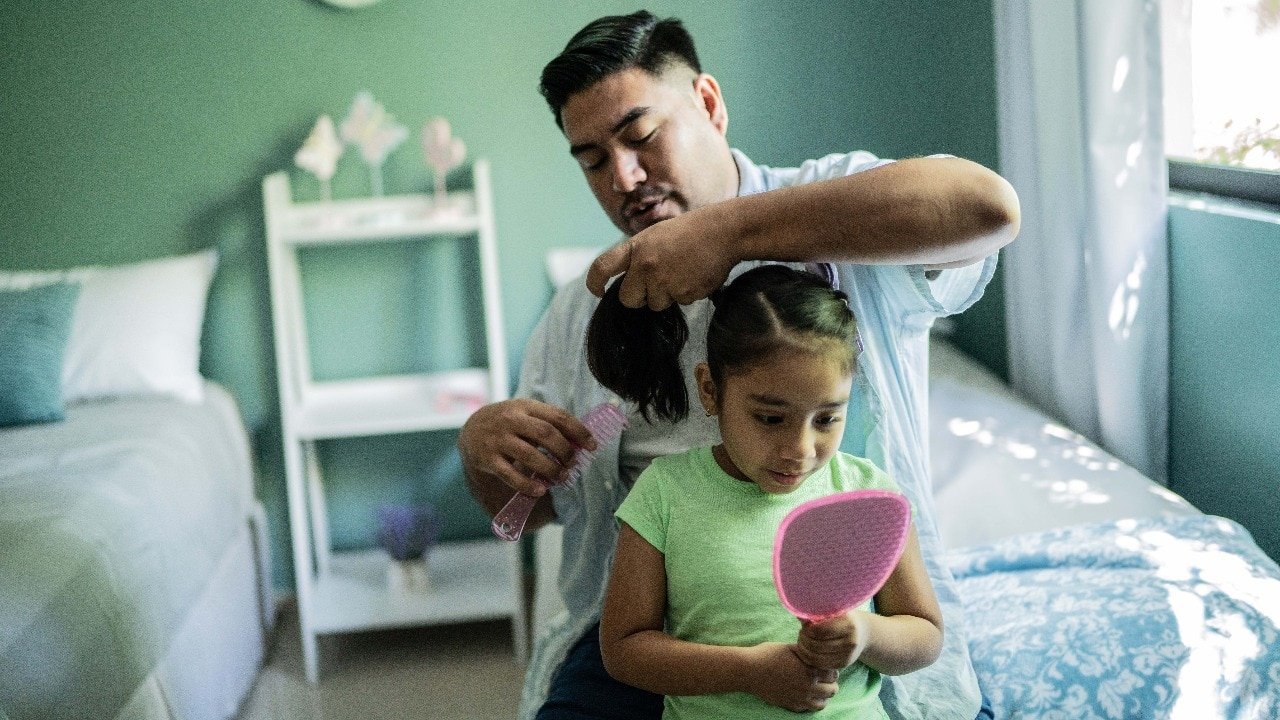
In a rapidly changing world, gender norms continue to shape parental roles, leading to surprising gaps in practical skills. One such gap is the art of tying ponytails, predominantly a skill known to mothers in Indian households. As the societal landscape evolves, one must wonder why this essential task isn’t commonly taught to fathers.
The Cultural Divide
In many Indian homes, parenting roles often fall along traditional lines. Mothers are generally expected to handle daily grooming tasks, including hairstyling. Conversely, fathers are typically assigned more ‘outdoor’ responsibilities, such as teaching children sports or conducting educational activities. This delineation leaves many fathers out of essential grooming skills, such as tying ponytails.
Breaking Stereotypes
As society progresses, there’s a growing movement challenging these age-old stereotypes. Fathers today are increasingly involved in various aspects of child-rearing, including daily grooming routines. The need for dads to equip themselves with skills like tying ponytails is becoming more apparent, especially in single-parent households.
The Parenting Revolution
The modern Indian family reflects a shift towards shared parenting responsibilities. More fathers are stepping into roles traditionally filled by mothers, exemplifying a broader societal change. This shift not only fosters deeper bonds between fathers and children but also instills a sense of empowerment in both genders.
Learning Together
Ponytails may seem like a simple task, but the ability to groom one’s child can work wonders in building a great relationship. Fathers can significantly improve parenting by actively participating in routine tasks, such as hairstyling, thereby normalizing shared responsibilities.
Resources Available
Though many fathers find themselves at a loss when it comes to hairstyling, various online resources and parenting workshops are available. These platforms can provide step-by-step guides for fathers to learn how to tie ponytails and perform other grooming tasks. Becoming proficient in these skills can enrich their parenting experience.
Challenges and Obstacles
Despite the advantages of shared responsibilities, several challenges remain. The deeply ingrained cultural beliefs about gender roles can create hurdles for fathers attempting to participate in tasks typically relegated to mothers. These outdated notions must be addressed if we want to foster a more inclusive environment for modern families.
Creating a Supportive Environment
Support from both partners is essential for fathers to feel confident exploring parenting tasks like hairstyling. Encouragement from mothers can help nurture a cooperative atmosphere, allowing fathers to learn without fear of judgment. Sharing these responsibilities should be seen as a partnership rather than a chore.
The Way Forward
As India continues to evolve, teaching fathers to tie ponytails may seem trivial; however, it symbolizes a larger movement towards equality in parenting roles. By embracing these changes, we can foster deeper connections within families, ensuring a future where both fathers and mothers share the joys and responsibilities of raising their children.
Conclusion
In conclusion, the lack of emphasis on teaching fathers practical skills like tying ponytails highlights the need for a cultural shift in how we view parenting roles. By breaking free from traditional stereotypes, Indian families can embrace a more inclusive and engaged approach to child-rearing, paving the way for future generations.




Leave a Reply