

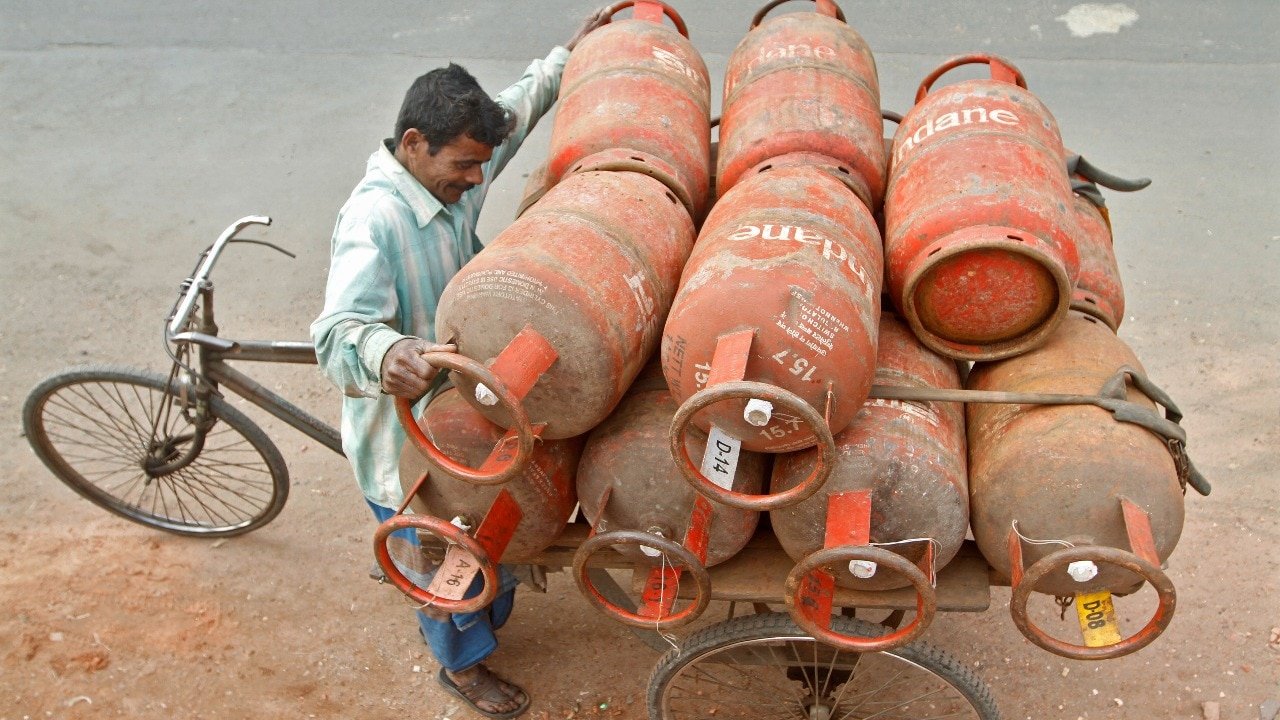
Understanding the Shift from LPG to PNG
In recent years, India has been advocating for a shift from liquefied petroleum gas (LPG) to piped natural gas (PNG). This transition is being pushed for several compelling reasons, aimed at improving energy access and ensuring environmental sustainability.
1. Enhanced Safety Features
One of the primary motivations for promoting PNG over LPG is safety. PNG systems are connected directly to households, eliminating the risks associated with transporting gas cylinders. Unlike LPG, which can pose explosion hazards due to leaks and mishandling, PNG significantly reduces these risks, making it a safer option for domestic use.
2. Cost-Effectiveness for Consumers
Switching to PNG can also be more economical for consumers. PNG is usually priced lower than LPG, leading to potential savings on fuel expenses. Moreover, the direct billing system used for PNG allows for better tracking of usage and costs, enabling families to manage their budgets more effectively.
3. Environmental Benefits
A critical aspect of India’s push for PNG is its environmental advantages. Piped natural gas burns cleaner than LPG, producing fewer greenhouse gases and pollutants. By transitioning to PNG, India aims to mitigate air pollution and contribute to a healthier environment, aligning with global sustainability goals.
4. Increasing Urban Demand
As India continues to urbanize rapidly, the demand for energy sources that are not only efficient but also sustainable is on the rise. PNG infrastructure supports the growing population in urban centers, providing a reliable source of energy for cooking and heating. This shift ensures that cities can meet the energy demands of their expanding populations.
5. Government Initiatives and Infrastructure Development
The Indian government is investing significantly in the infrastructure needed to support PNG distribution. This includes developing pipelines and enhancing connectivity to ensure that more households can access this cleaner fuel. Such initiatives are vital for encouraging users to make the switch from LPG to PNG.
Conclusion
The transition from LPG to PNG is not just about energy; it reflects India’s commitment to safety, cost-effectiveness, and environmental responsibility. As more households make this switch, the impact on public health and urban living standards could be profound. With sustained government support and growing infrastructure, the future of piped natural gas in India looks promising.









Leave a Reply